
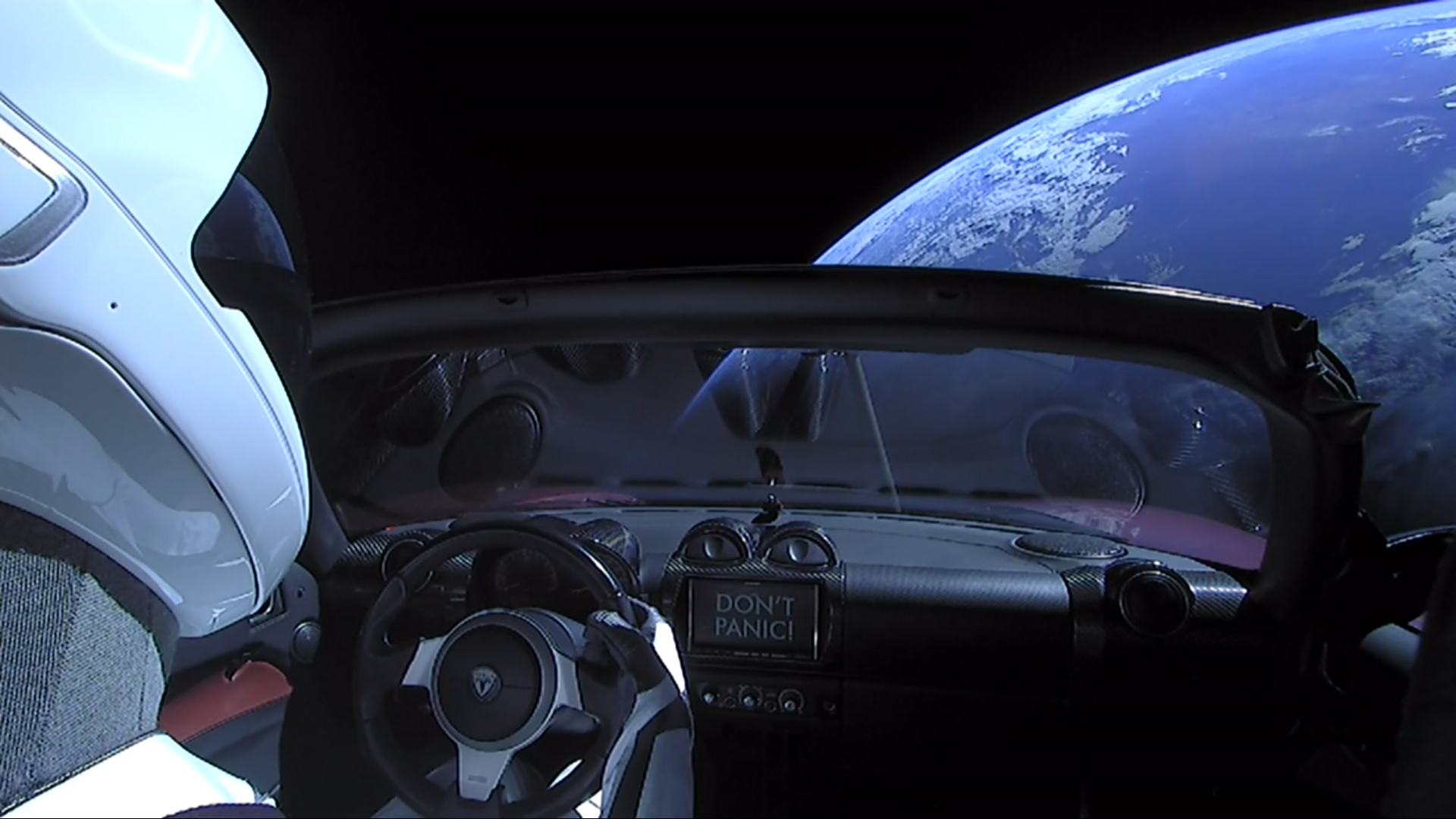


In the two and a half years since I have been a space reporter, I’ve seen some pretty weird things. Some of these range from towers catching rockets to people running away from a rocket because it accidentally fired (still have so many questions about that one). However, this has got to be one of the weirdest and strangest things I’ve ever seen.
On January second, the Harvard-Smithsonian Center for Astrophysics’ Minor Planet Center discovered what it called an “unusual” asteroid. 2018 CN41 (the designated name) raised some eyebrows because of its strange orbit. The orbit came within 240,000km (150,000mi) of earth, which is closer than the moons orbit. It was worth investigating as a Near Earth Object with potential to crash into the Earth because it was so close.
After 17 hours, CN41 was found to not be an asteroid, but rather a car. Specifically, the cherry red Tesla Roadster that was launched on the inaugural flight of falcon heavy 7 years ago. On its face this does seem like a funny thing to laugh about and then forget. However, it does raise questions about the communication between astronomers and those who keep track of manmade objects.
The issue at hand is that the tracking of deep space objects is not regulated in the same way objects close to earth are (LEO and GEO). If tracking objects in deep space is left unregulated, it could lead to an increase of cases like this where a near earth astroid is found to just be another manmade space probe. In theory, this could throw off statistics on how likely it is to impact the Earth. This could also lead to studying asteroids that don’t actually exist.
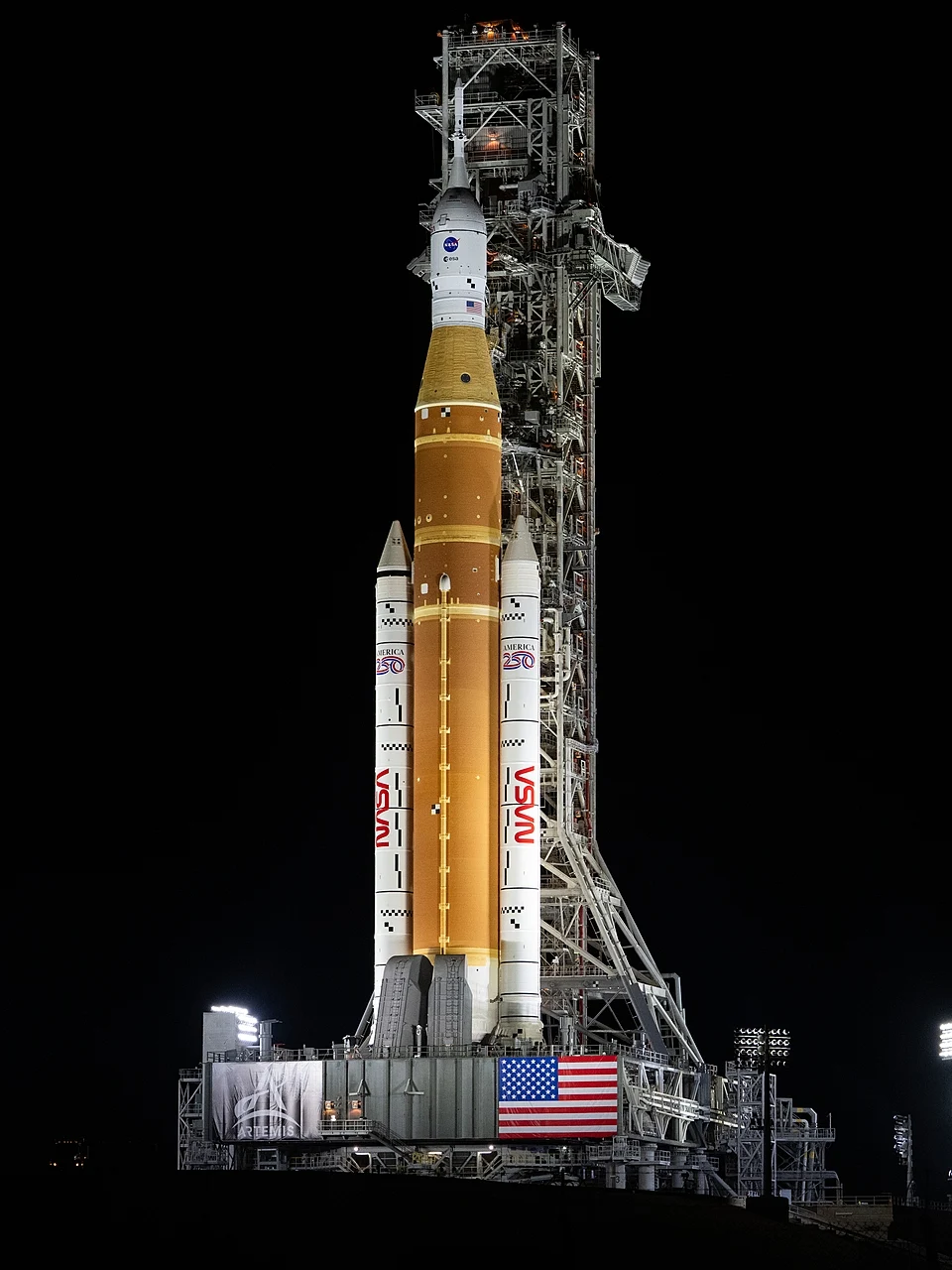
This problem is only going to get worse with programs like Artemis and vehicles like New Glenn and Starship coming online. So while this may seem like a funny incident that we can laugh off, there is a much more dire issue behind the laugh.

My name is Iain Dempsey. I am the founder and Content Director at Max-Q News. I’ve been covering the space industry for over two years and an avid follower for over 7 years. In my spare time I watch standup comedy and listen to an obscene number of podcasts. My favorite hobby is making and drinking espresso!

Leave a Reply