
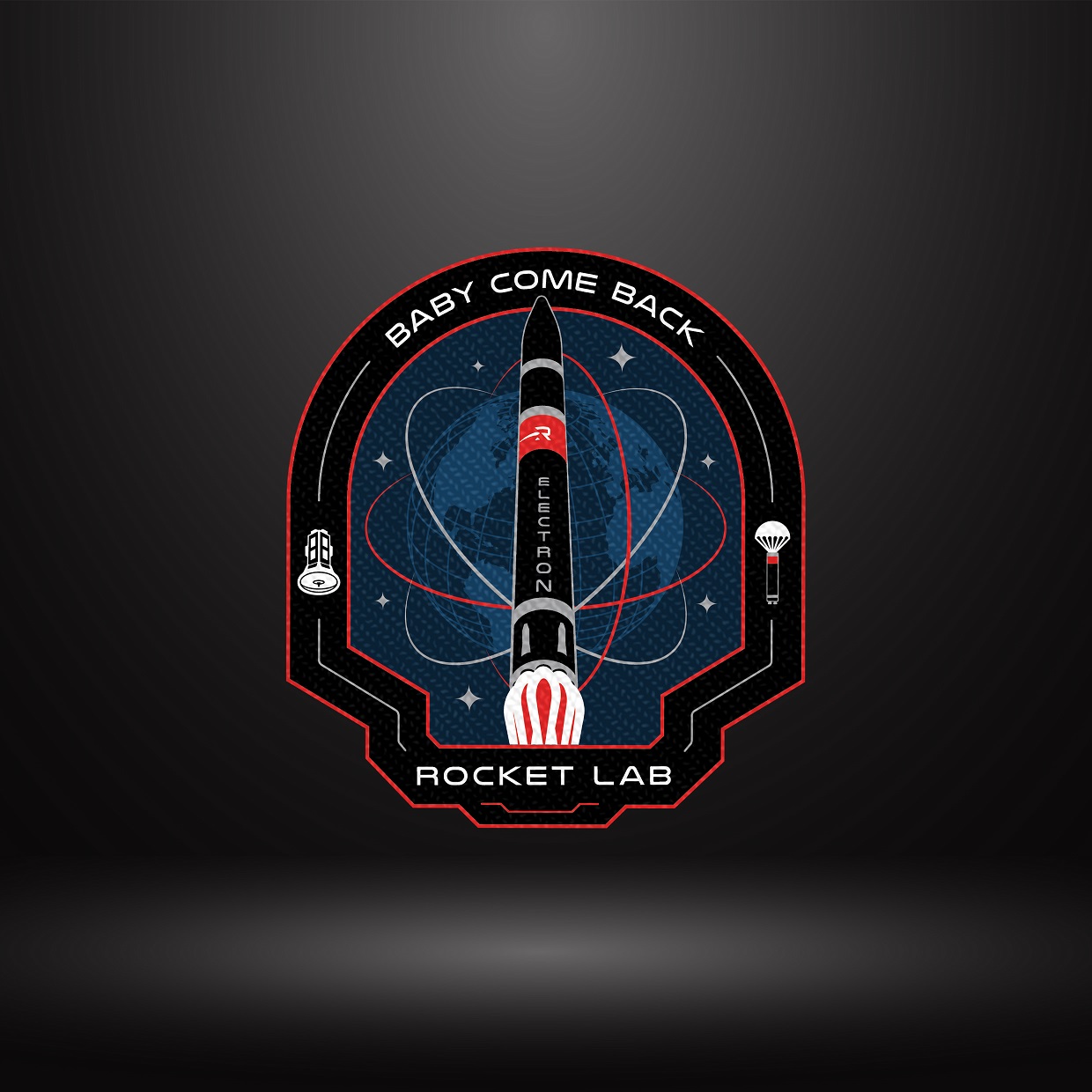

On July 17th, 2023, Rocket Lab successfully launched and recovered their 39th launch attempt booster, aptly titled “Baby Come Back”. In this article we will go over the launch, discuss the evolution of Rocket Lab’s recovery program, and see what the future has in store for the company off the coast of New Zealand.

What is Electron?
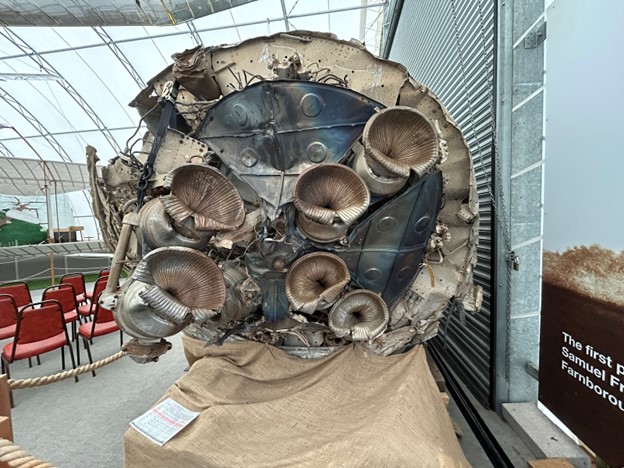
Electron is a class of orbital class rockets from the company Rocket Lab. The rocket is typically launched off the coast of Mahia Peninsula, in New Zealand, but does have a few launches from the United States. The rocket itself consists of a carbon fibre first stage powered by 9 Rutherford engines, which are Kerolox (RP-1/LOX) based engines named after Ernest Rutherford.
The engine is a rather fascinating one, as it is slightly unconventional compared to other, more commonplace fully chemical engines that one might see. This engine is fed the propellant through a turbine, but the turbine itself is powered by an electric motor and battery combo, rather than a “precombustion” stage. This eliminates the need for utilising fuel for non-propulsive means and lowers some of the chemical and material complexity of the engine through manufacturing simplifications.

Credit: SpaceNews/Jeff Foust
However, while battery technologies have improved vastly in the last few years, one main factor of batteries that have plagued its use in rocket engines is the added weight, which is a very important factor to consider in all rockets. The engines also have a very high composition of 3D printed parts, including some extremely critical machinery such as the injectors, valves and the combustion chamber. In space, the rocket performs a battery hot swap manoeuvre, where the battery for the rocket is released and a new one is activated. This mimics the separation of stages for lowering mass and providing a new source of power for the upper stage. This then leads to the first stage of the rocket being released back into the atmosphere, where it utilises its own shape to aerodynamically cause some drag, along with a parachute to help the slowdown process further in the atmosphere. The rocket then lands in the ocean, to which it floats and can be easily picked up by marine vessels, allowing for quick recoverability, refurbishment, and a potential launch later on down the line. Electron experimented with helicopter recovery in the past, which was quite an incredible sight to see; the helicopter would essentially catch the rocket from the air from its parachutes, and would recover it safely on a sea vessel or on land. This seems to have been abandoned however, due to costs and overall logistic complexity, in favour of the more traditional method of recovering a sea landing.

What is the Payload?
There were 7 satellites onboard. Due to the size of Electron, these satellites were smaller than what one might be used to launching from a Falcon 9 or another rocket of that size class, but each of the satellites were for navigation, or testing purposes. 4 of them were from NASA’s Starling project, which is a testbed for future satellite swarm technology, 2 of them were from SpinGlobal, to replace satellites from their personal constellation, and 1 was from Telesat, which was a demonstration test satellite.

How was the Launch?
The launch went by extremely smoothly. The rocket took off from the Mahia Peninsula and performed well in its takeoff. After which, the rocket separated its booster and upper stage segment, performed the battery hot swap, and was successfully able to deploy all payloads to orbit. The booster was recovered from the ocean in a very streamlined fashion, and is being cleaned and refurbished for another flight.

Final Remarks
The Electron Baby Come Back mission was a great mission between its launch, deployment, and successful recovery. We hope to see many more of these attempts from Rocket Lab as they continue to provide a very capable smallsat launch service for the growing industry of LEO payloads.

Leave a Reply