
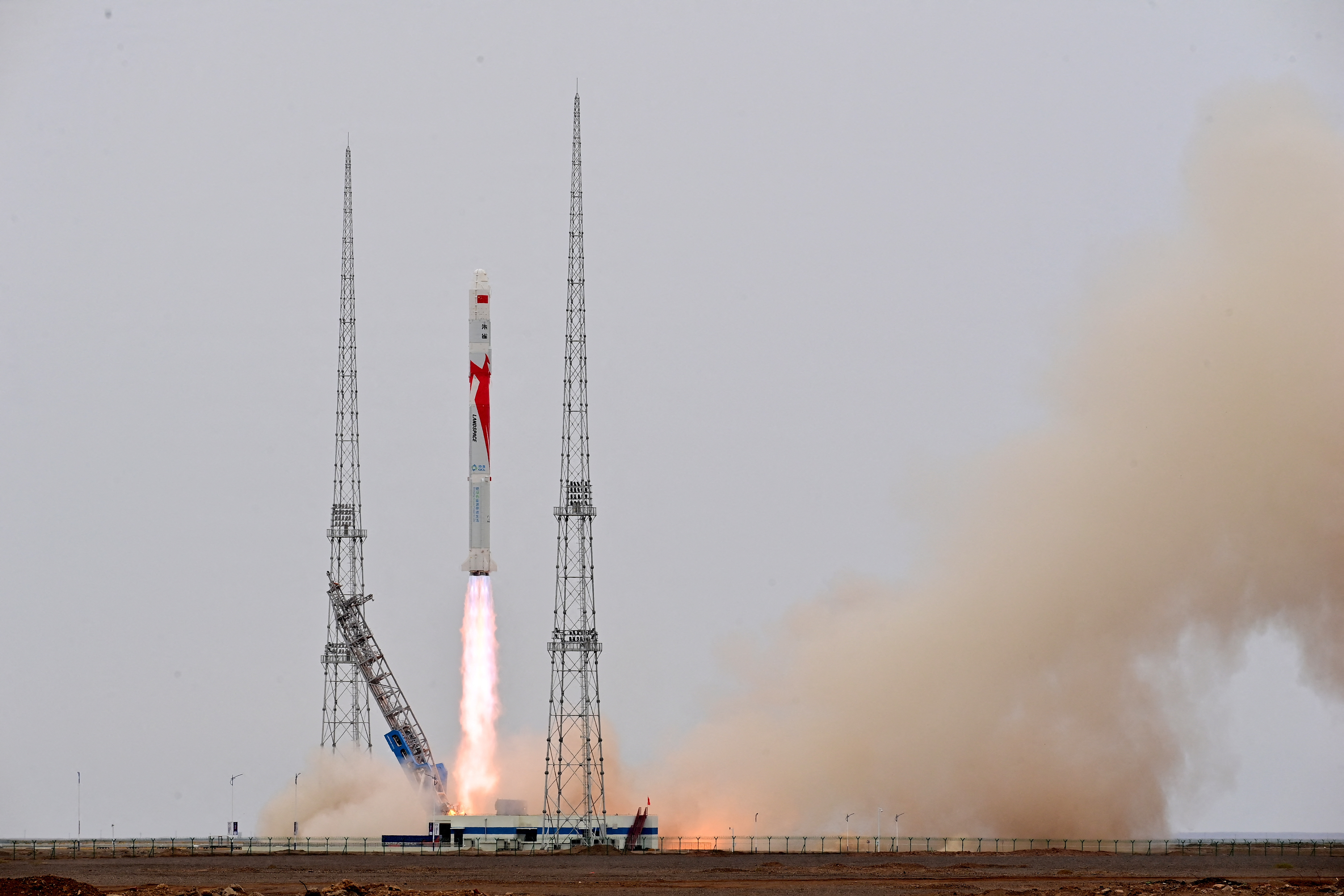

On July 12th, 2023, a relatively unheard of company this side of the pacific made history in the field of aerospace engineering and rocket science, successfully launching a methane and liquid oxygen (methalox) powered and achieving orbit, the first of any rocket using that fuel combination to do so. In this article, we will examine LandSpace, the company behind the groundbreaking rocket Zhuque-2, the effects of methalox based engines, and the implications this may have on the future of spaceflight technologies.
What is LandSpace?
LandSpace is a private space launch company housed in Beijing, China. It was founded in 2015, making it a relative newcomer in this new phase of aerospace interest. While often heralded as the “SpaceX of China”, the company had a lot of ground to cover to develop a rocket that would help grow their business.

At the time, China did have access to space, but this was through their Chinese National Space Agency (CNSA) rockets contracted with the China Aerospace Science and Technology Corporation’s Long March rockets. While this rocket has had many successes in the past, times were changing, and new advancements in technology, specifically chemical propulsion and sensor technology meant that perhaps it was time for rockets to be developed with a different, more efficient, and easier to access fuel in mind.

The rockets were historically known to use Red Fuming Nitric Acid (RFNA) and Unsymmetrical Dimethylhydrazine (UDMH). These were very common in earlier rockets that were direct descendants from missiles, as their propellants would have to be able to be stored for long periods of time before potential deployment. This was then refined to use UDMH and Dinitrogen Tetroxide (NTO) for the next few derivates of the rocket, before switching to the more familiar Kerosene and Liquid Oxygen (Kerolox) based engines that we know about today.

What is the Zhuque Rocket Platform?
This then leads to the formation of LandSpace and the Zhuque rocket platform. The company started working with solid rocket boosters in its first rocket, the Zhuque-1. However, a failure in the third stage solid rocket motor caused the attempt to end in failure, losing the payload. The vehicle was then updated to their new, methalox rocket system utilizing 4 Tianque-12 (TQ-12) engines and sent on a second mission, Y1, but still failure struck with the rocket’s second stage, causing it to shut down and fail. Finally, on the third attempt by LandSpace, the Zhuque-2 Y2 mission was successful in launching and sustaining orbit, becoming the first methalox powered engine to do so, succeeding in the “methalox race to orbit” that many companies around the world were seeking to achieve.

Benefits and Drawbacks to a Methalox Engine
It is important to also talk about why the decision to use methalox has been so prevalent in the aerospace community. Methane as a fuel has always been quite a common thing. You may even have experience with it, if you have stoves powered by natural gas, or have used Bunsen burners, you would have used a methane-based fuel. It has a characteristic blue to purple hue when being combusted closer to stoichiometric ratios (meaning all fuel and oxidizer is being completely consumed) which can be seen in the exhaust plumes of many rockets. When burned at this stoichiometric ratio, there is very little excess waste produced by the engine, making it very clear to see these plumes, as opposed to other combustion propellants that may have large clouds of smoke, obstructing some views of the vehicle. There are quite a few other benefits besides this clearer combustion that make methane a good choice for a rocket propellant. The abundance in the Earth, and the well documented process to create it make it a very appealing choice for multiplanetary missions as well as companies that may not have access to extremely sophisticated chemical laboratories or want to streamline their propellant generation process. Additionally, because of the cleaner burn (caused by not having the large chains of hydrocarbons found in propellants like RP-1) there is a smaller effect due to coking, which is a phenomenon where carbon residue, or coke, gets deposited in the engine, typically near exhaust areas, causing failure points. It also has a generally higher specific impulse (Isp), or efficiency, compared to RP-1, and allows for the engines to be run at higher pressures.

There are a few disadvantages, however. These propellants must be stored under cryogenic conditions, which in recent decades has become more common, but is still a challenge that aerospace companies and rocket manufacturers must be wary of. It also does not produce the same amount of thrust as RP-1, and the tanks need to be bigger than RP-1 due to methane’s lower density.
Community Response
While this milestone was certainly celebrated by aerospace fans and news outlets alike, there were some in the community that voiced frustration or some bitterness to the fact that a Chinese company was able to achieve this result first. Many people called into question the legitimacy of some of the actions the upper stage had performed, and others were understandably upset that the news came seemingly out of nowhere from a nation that has had a rather strenuous relationship with the United States, and other western nations. However, it is important to note that while this may be a slightly disheartening moment for people who take great pride in their nation’s aerospace industry, it is also important to congratulate and promote these new startup companies on their various achievements. By doing so, it makes the whole space industry and environment much more positive and promotes good will and excitement into the future of the industry, laying the groundwork to truly begin expanding into this new territory.
Final Remarks
The Zhuque-2 Launch was an exceptional demonstration of the viability of methane powered engines and the methalox platform. As more of these engines and rockets come online, the future of spaceflight and aerospace engineering looks very promising, and it will be exciting to see what this company has in store next.


Leave a Reply